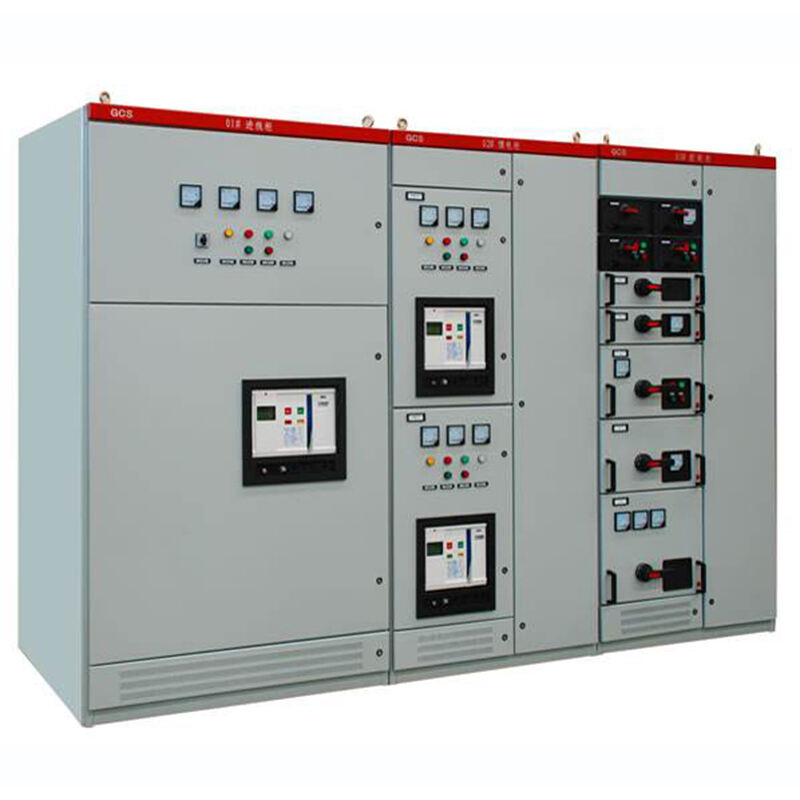
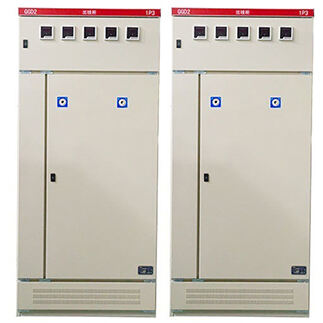
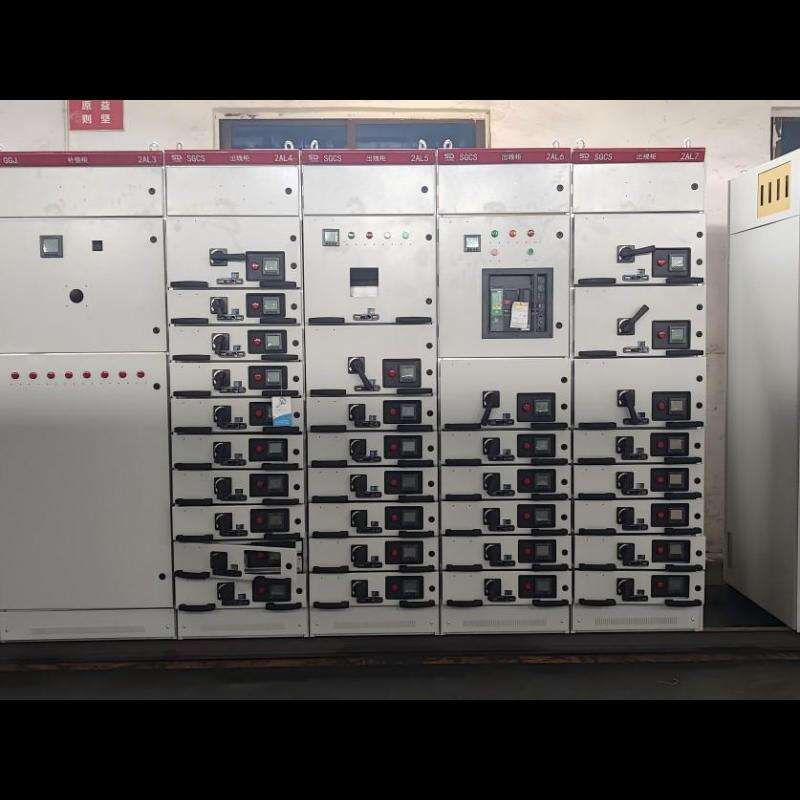
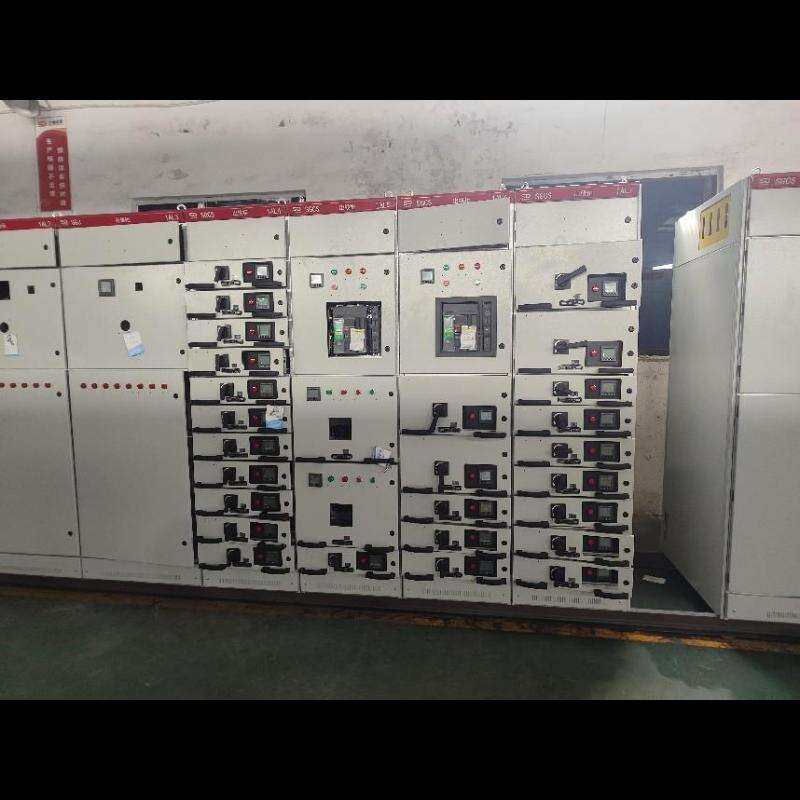
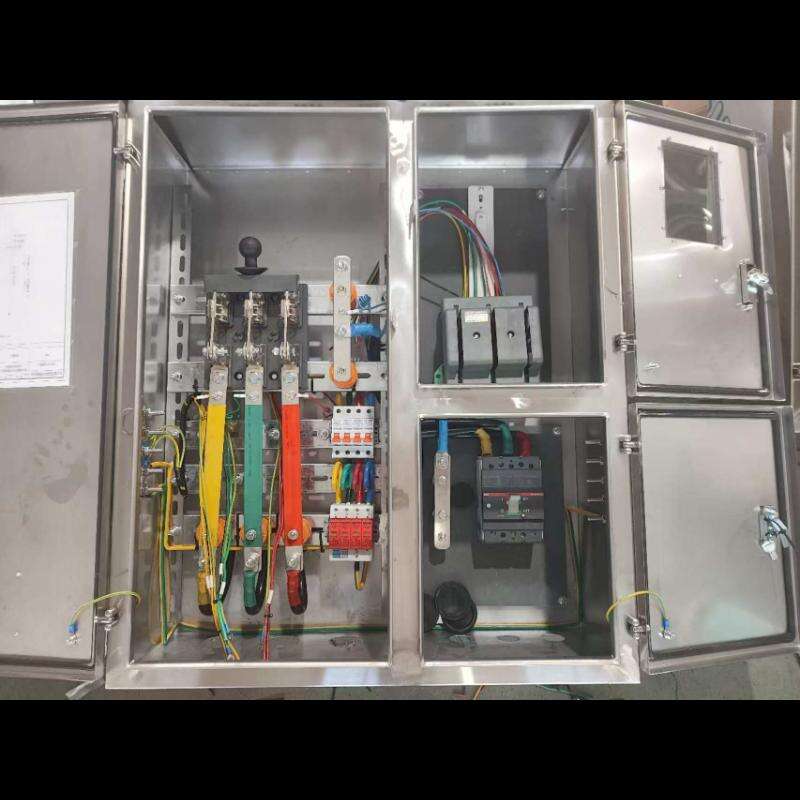
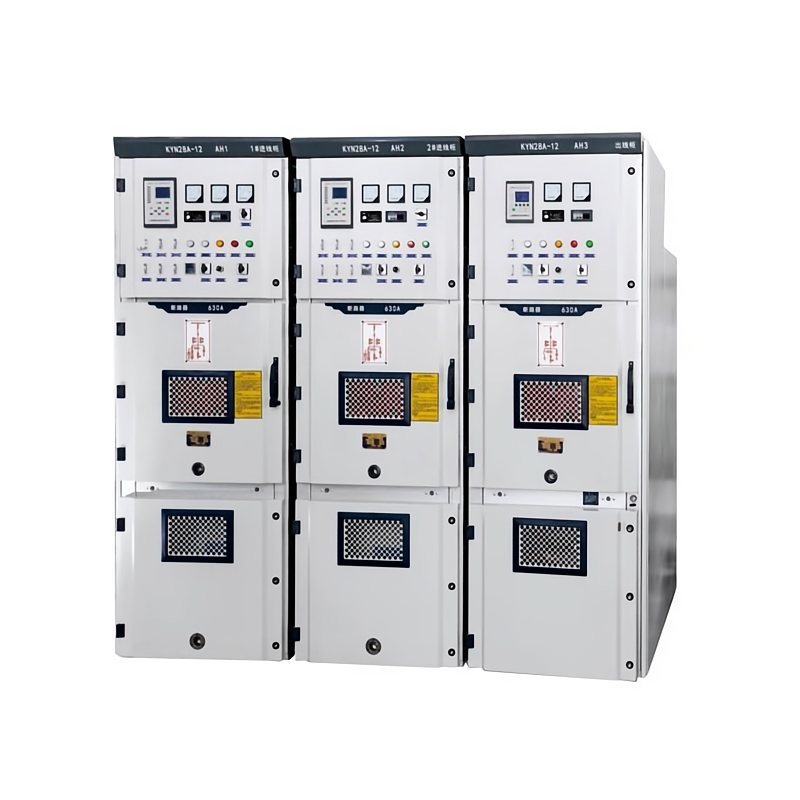
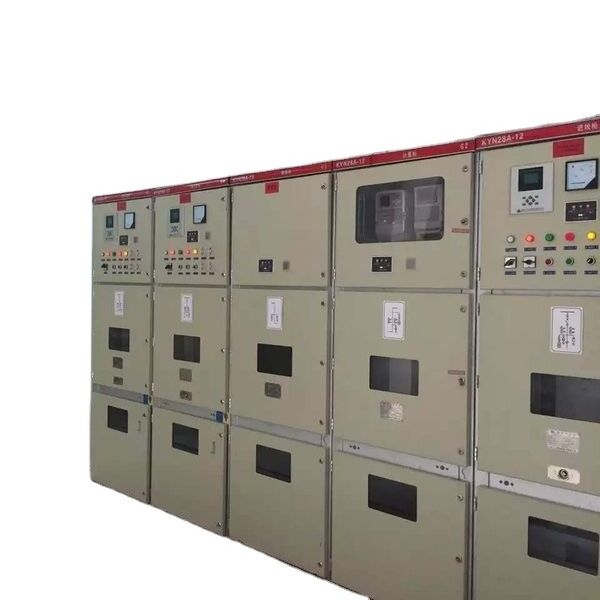
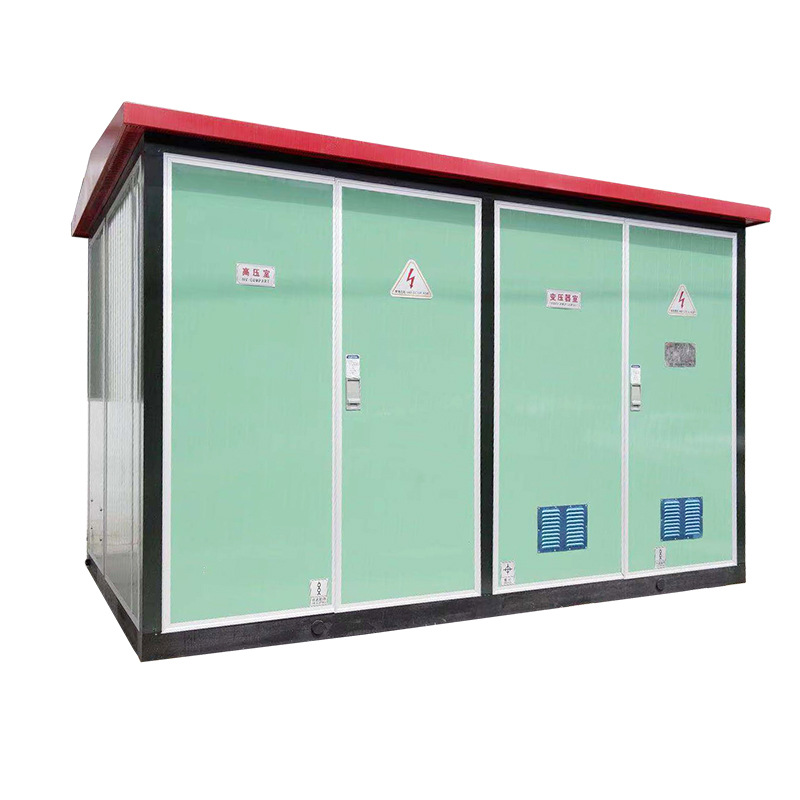
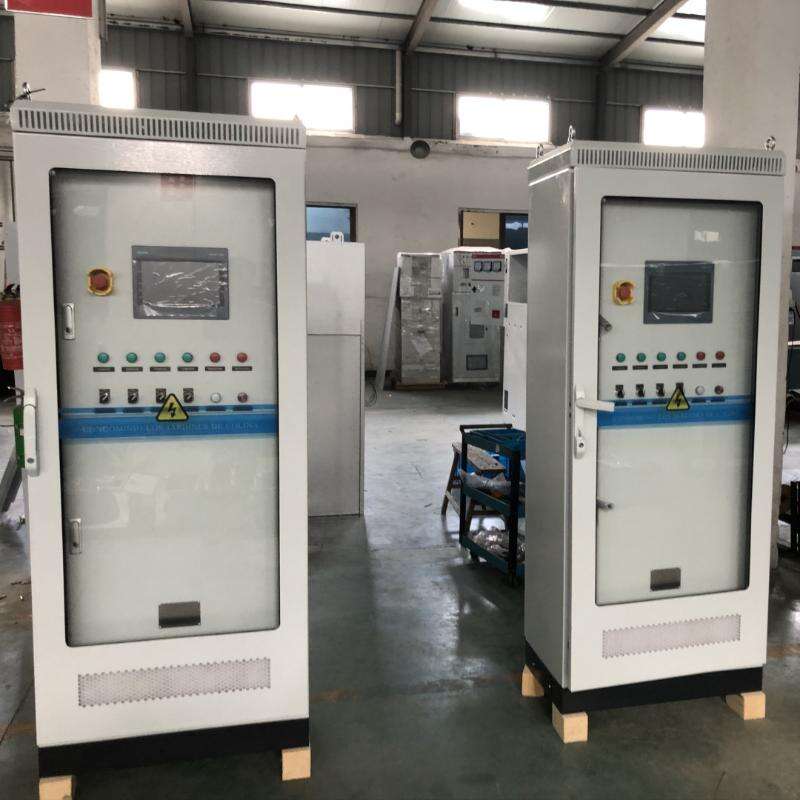
A 33 kV GIS, or Gas Insulated Switchgear, is a certain type of electrical equipment to assist in control and protect the electrical grid. These circuit breakers along with the rest of the primary substation equipment are located within a metal enclosure that is filled with an insulating gas. The design is able to keep the physical profile of the equipment as minimum as possible, and at the same time providing a long term stable operation.</p>
33kV GIS are the specialist working and if you want to work in 33 kV so its a good job. In the process of this installation, voids must be strictly followed to make sure that the right parts are connected with each other such as assembling from the same manufacturer. It means, you are responsible for working with high voltage equipment e.g. Safety first!</p>
Maintenance checks are also indispensable to keep 33 kV GIS systems in tip-top shape. This can involve but is not limited to, checking the gas levels of the insulating, testing if all breakers are fully functional and replacing any damaged components. This allows dedicated personnel to catch issues early, reducing the chances of unexpected substations going down and cutting power.</p>
Substations can increase the reliability and stability of their electrical grid with 33 kV GIS technology. Equipment is located inside hermetically sealed metal cases that protect it from physical and other external influences leading to malfunctions or intentional outages. This increases stability of power supply to the consumers in situations especially during adverse weather.</p>
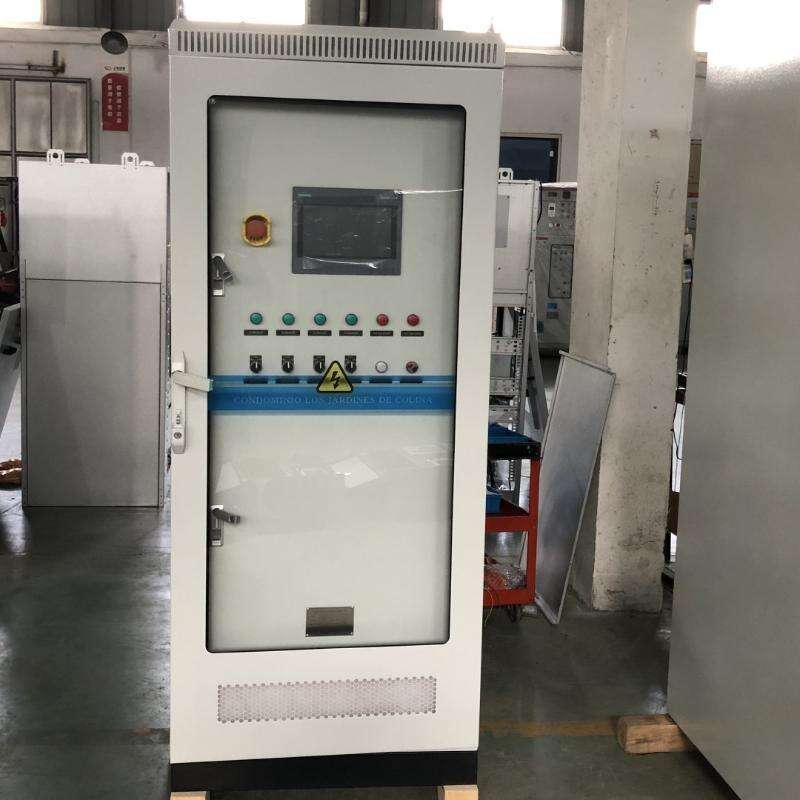
Besides, minimal sizes of 33 kV GIS systems assist in better utilization of substation space and its operations. This can reduce the associated costs as over time less physical infrastructure is required to maintain a level of service for electrical grid. In conclusion, 33 kV GIS technology supports substation resistance and flexibility in the face of energy trends.</p>
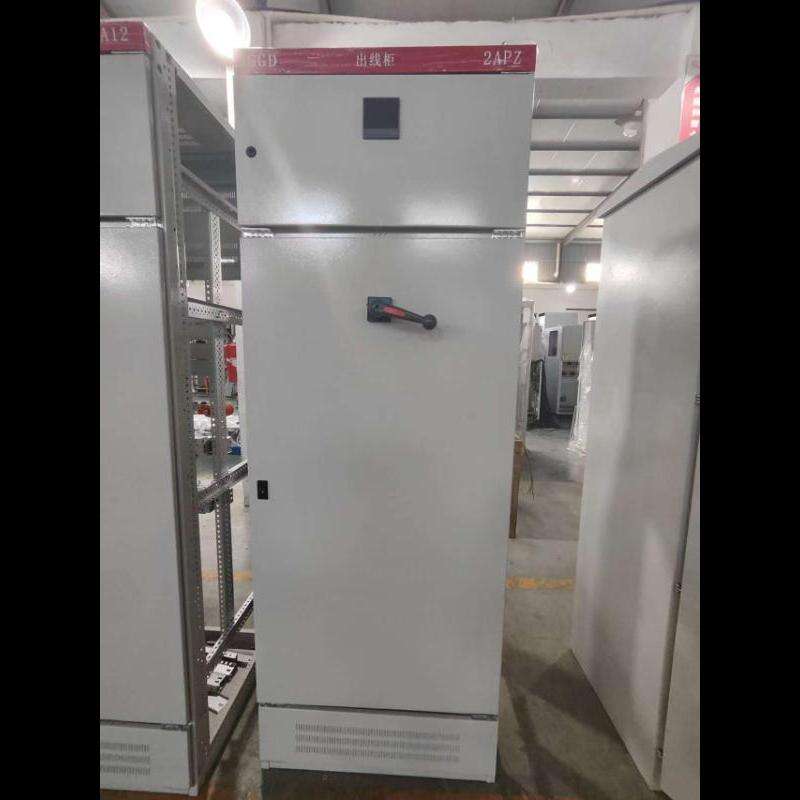
Indeed, 33 kV GIS is evolving with time as new tech gets introduced. One of the trends that are increasingly being noticed is installation of digital monitoring and controlling systems in the GIS equipment. This allows substations to monitor their equipment remotely, in real-time and ensure any maintenance work can be done proactively as well as responses to incidents.</p>
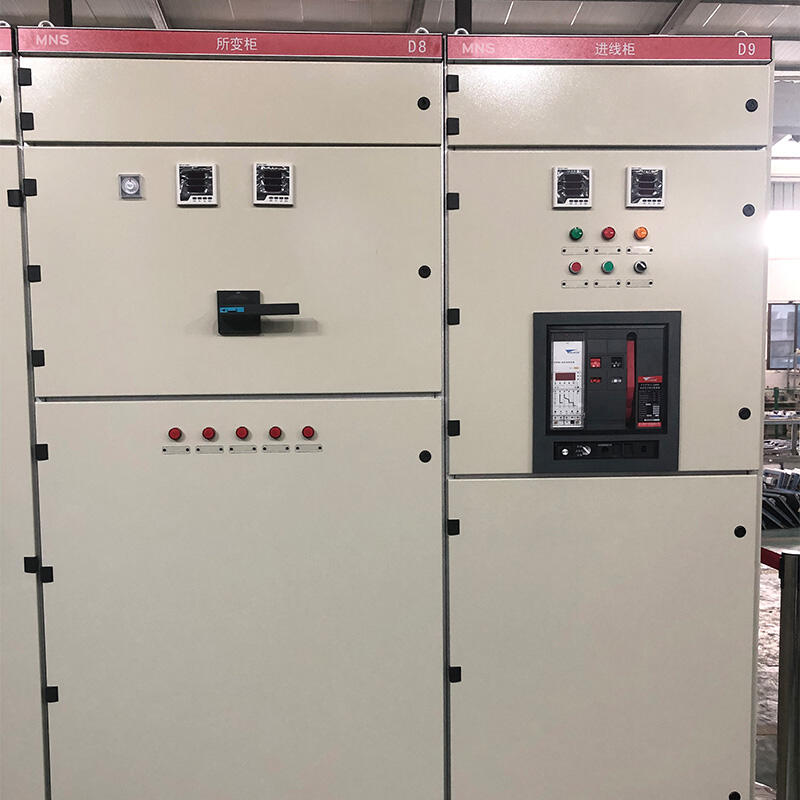
One more upcoming trend: the application of eco-friendly insulation gases in 33 kV GIS systems. And with the use of substitutes instead of traditional sulfur hexafluoride (SF6), substations can very much minimize its carbon emission while participating in local conservation efforts. This follows a trend towards greener solutions that reflect the increased attention on sustainability and energy efficiency in the industry.</p>
Zhejiang Shangdian Complete Electrical Co., Ltd. The company combines solid technical capabilities high-end equipment for processing as well as an extensive after-sales system to offer top-quality custom electrical solutions We adhere to our core tenet of "integrity-based" practices prioritizing technology customer satisfaction superior quality and exceptional service fostering long-term client relationships Dedicated to sustainable development we aim to balance industrial growth with environmental responsibility minimizing our ecological footprint while enhancing efficiency and innovation Our vision is to become a world-renowned brand in the industrial electrical field through internationalization technological advancement and industrialization We enhance our global reach and progress in the industry by 33 kv gis strategic alliances and investing in rd Our technological innovations are in line with demand of society and the market
Zhejiang Shangdian Complete Electrical Co., Ltd. is specialising in the manufacturing of a wide range of electrical products, including low and high voltage switches, 33 kv gis, transformers, breakers, etc. We are a multi-faceted enterprise that includes research, production and dissemination of information and service. Our "CCC" approved equipment that is low and high voltage demonstrates our commitment to quality and safety. In addition, we have received numerous type-test reports on our high-voltage products highlighting our focus on quality and performance. With an insistence on innovation and continual development, we make use of the most modern technologies in our manufacturing processes. We are able to meet the needs of our clients while ensuring the highest quality standards. As we expand, Zhejiang Shangdian aims to consolidate its position as a market leader in the electrical equipment sector, driven by our expertise and dedication to excellence.
33 kv gis 2004, Zhejiang Shangdian Complete Electrical Co., Ltd. has established itself as a prominent player in the electrical solutions industry. Nestled in the picturesque coast of southern Zhejiang is the company. It has an incredible view of the bustling city of Wenzhou and across the river. The strategically placed location, which is adjacent to National Highway 104 and the Yongtaiwen Expressway provides seamless transport for personnel as well as products that facilitates efficient logistics and accessibility. The proximity of Wenzhou Airport, as well as the train station, lets us easily connect to major cities. This allows us to serve customers both in the US and abroad. Our location not only supports the operational efficiency, but also displays our commitment to quality and innovation in the electrical field, enabling us to meet the varied needs of our clients with precision and resiliency. As we continue to expand and expand, we will continue to using our strategic location to provide top quality products and services to the electrical industry.
Zhejiang Shangdian Complete Electrical Co., Ltd. employs over 100 individuals including over 10 skilled engineering professionals specializing in low and high voltage 33 kv gis Our team with a majority of senior and intermediate titles maintains high standards in terms of high-quality and innovation With a youthful and professional staff we ensure success with innovative ideas and a commitment to quality Modern production lines employ cutting-edge technologies to increase efficiency High-tech testing equipment ensures that our products adhere to stringent standards of quality We're committed towards continuous advancement and creating a culture of excellence and professionalism

 EN
EN
 AR
AR
 BG
BG
 HR
HR
 CS
CS
 DA
DA
 NL
NL
 FI
FI
 FR
FR
 DE
DE
 EL
EL
 HI
HI
 IT
IT
 JA
JA
 KO
KO
 NO
NO
 PL
PL
 PT
PT
 RU
RU
 ES
ES
 TL
TL
 IW
IW
 ID
ID
 SR
SR
 UK
UK
 VI
VI
 HU
HU
 TH
TH
 TR
TR
 AF
AF
 MS
MS
 IS
IS
 AZ
AZ
 BN
BN
 LA
LA
 MI
MI
 MN
MN
 KK
KK
 UZ
UZ