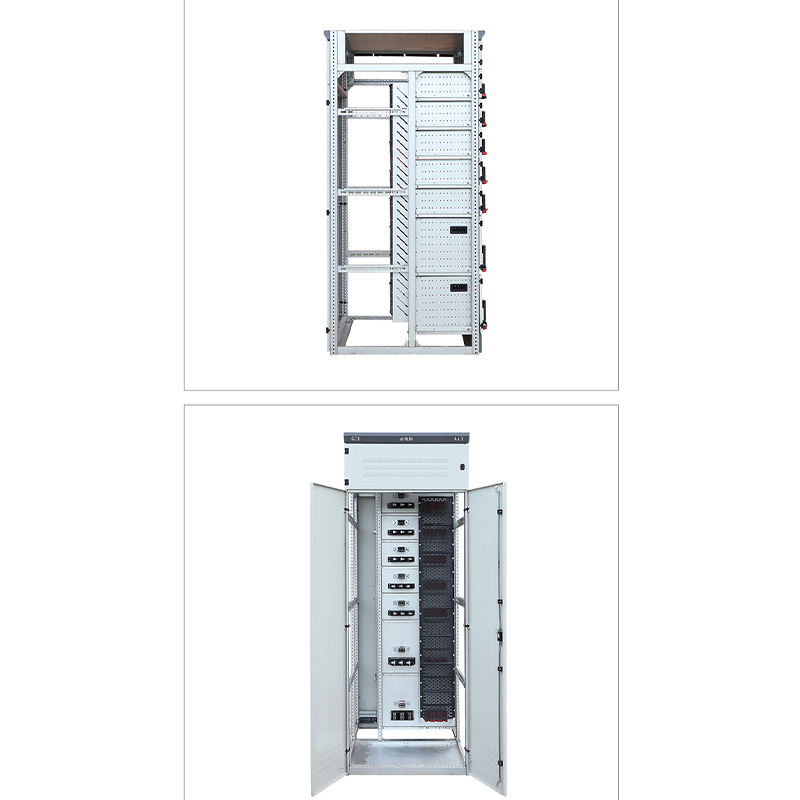
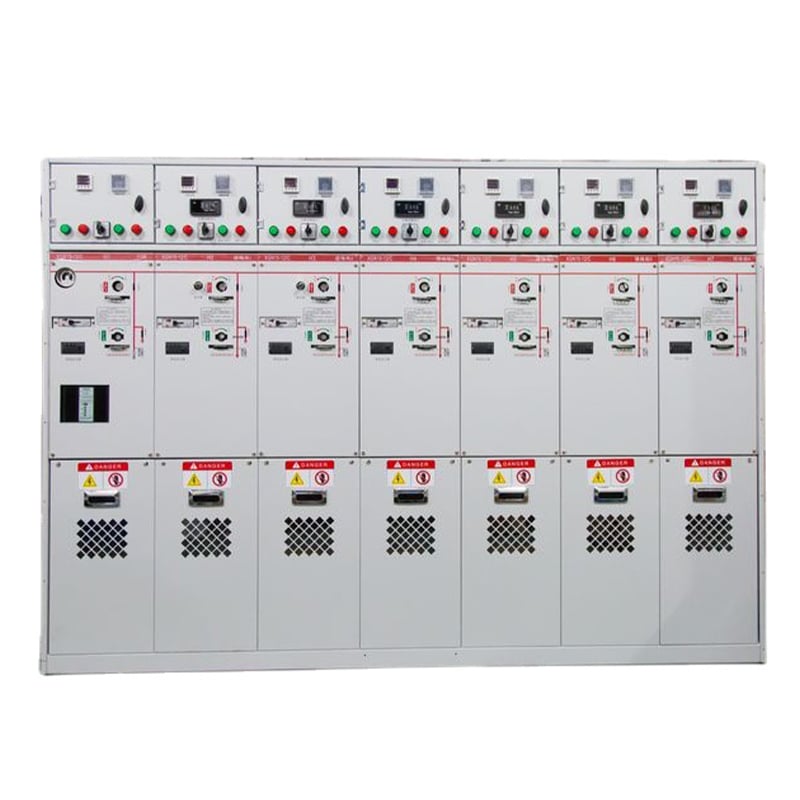
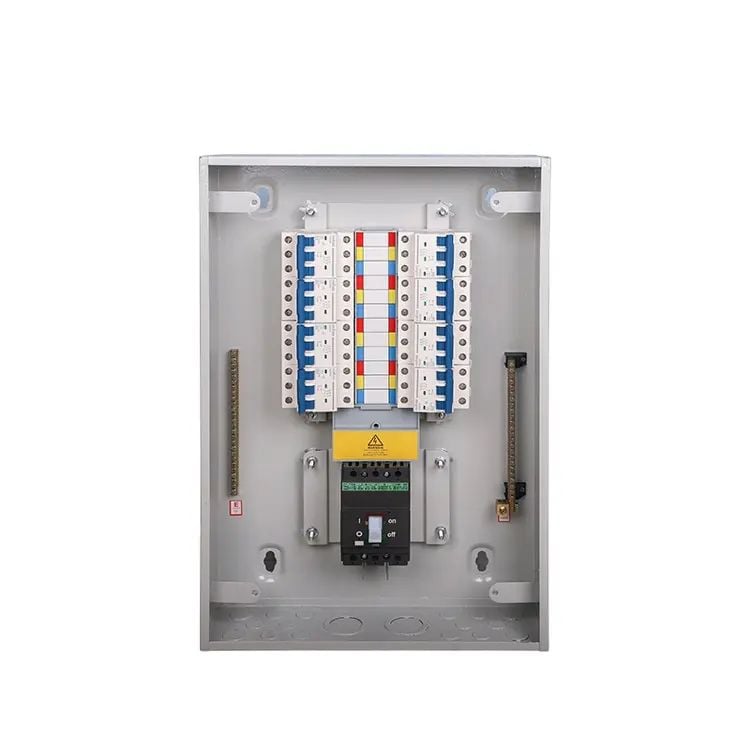
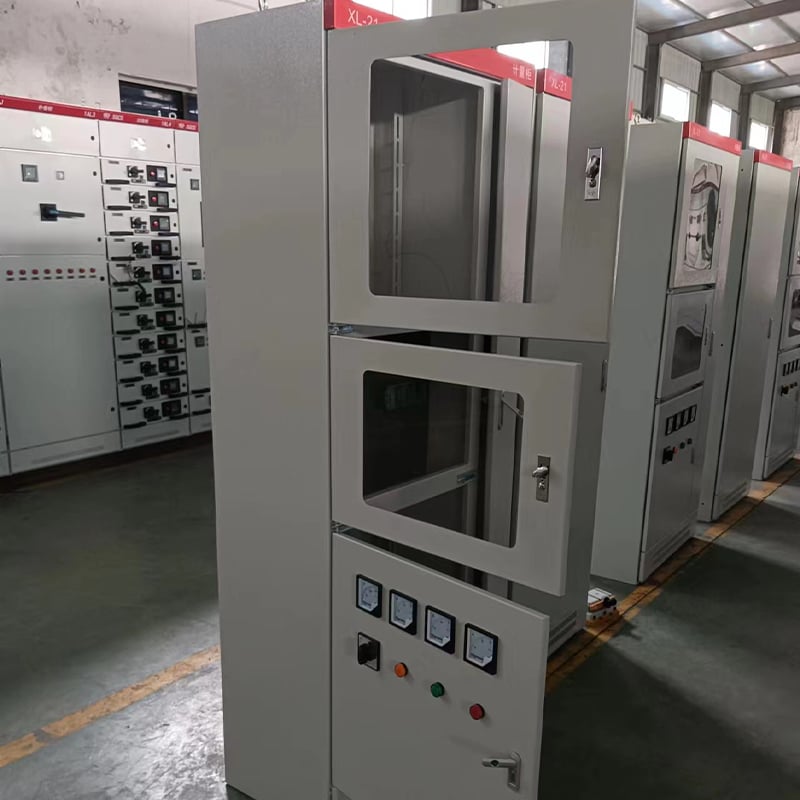
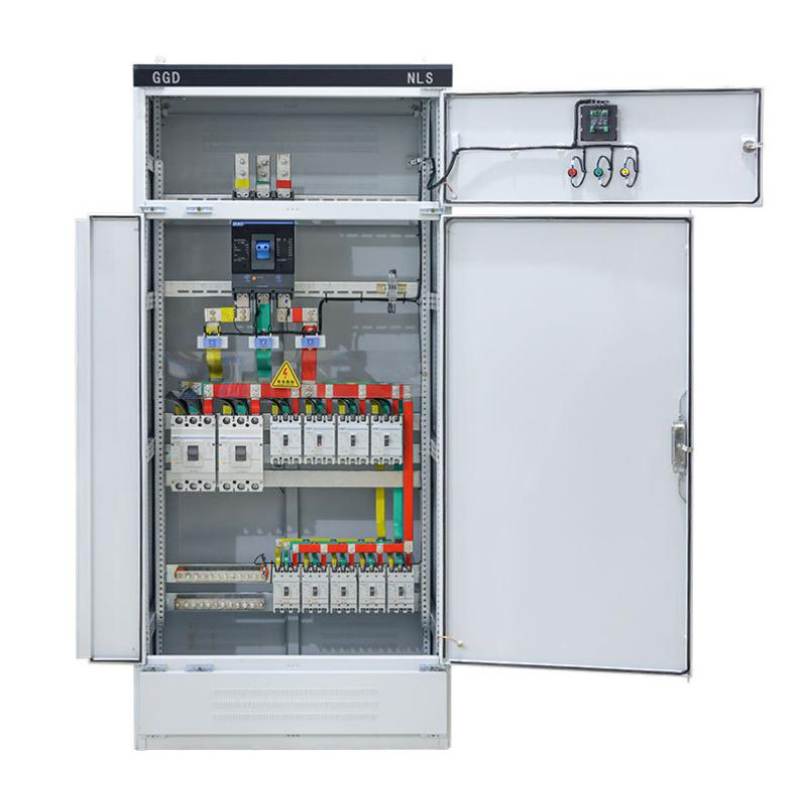
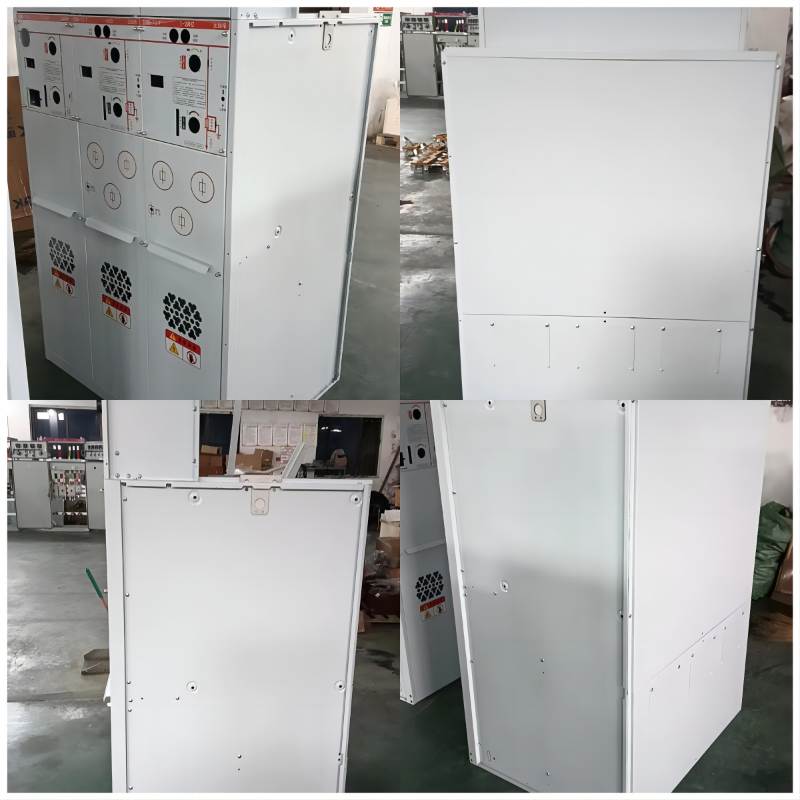
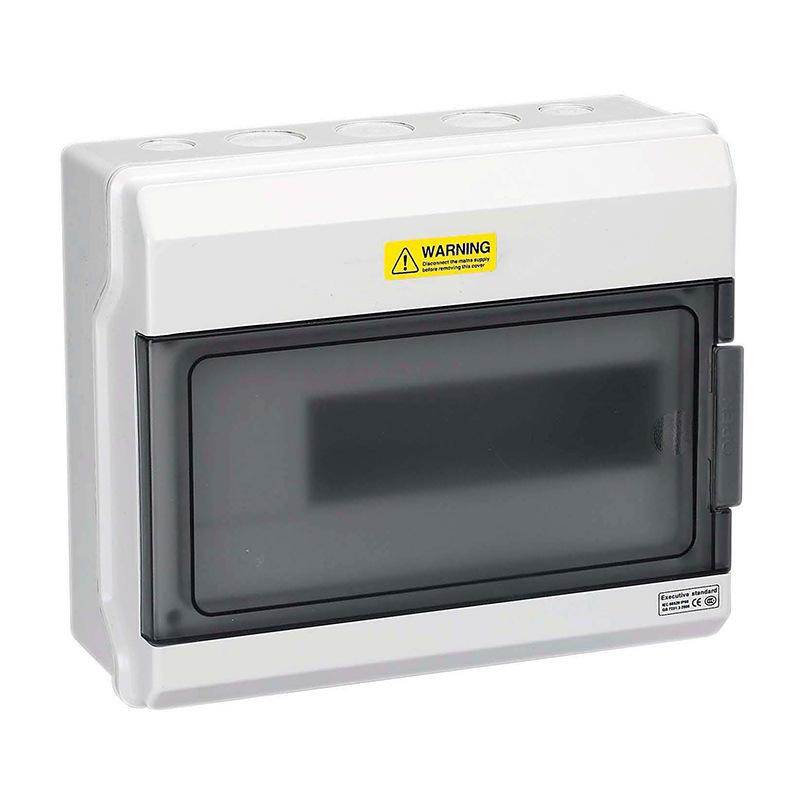
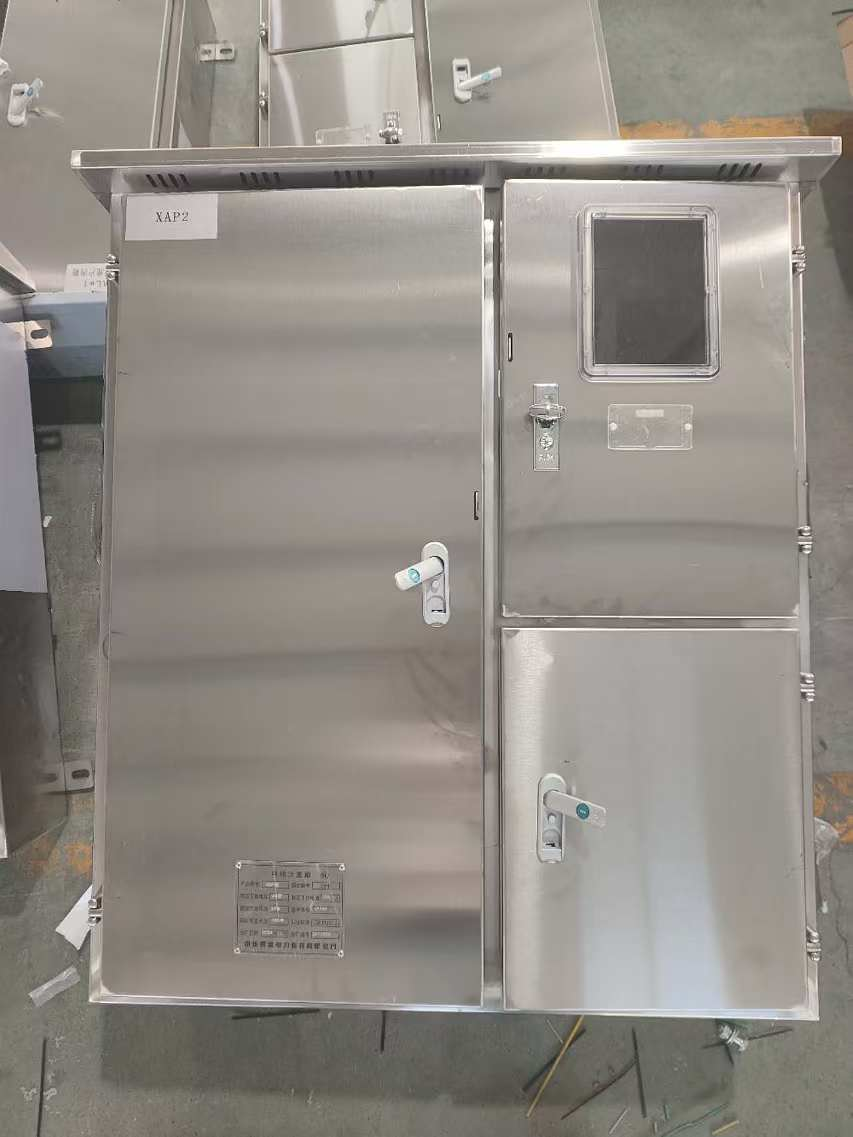
Substations constitute the foundation of the electric system that turns households and enterprises into electric volts. Nevertheless, despite this, these buildings play a fundamental role in electrical transformers that change electricity from high to low or vice versa. This conversion is because it has to be sent via electricity lines to the houses and businesses where individuals require access on a daily basis. Consequently, while there is a greater number of individuals looking to charge their electronic equipment, lights, appliances, and so on during this period, then the owners of the operations of substations have an undertaking on their hands on how best to ensure these are left healthy as well.
GIS is highly basic to the daily operational tasks in a substation. For instance, allowing the manager to keep a record of the equipment/assets they oversee. GIS can simplify data gathering and management on each tool, machine in the substation. It provides them with very vital information with which to make well-informed decisions on when repairs, maintenance, or even replacements are needed. This will help the managers verify the equipment health and is knowledgeable of missing parts to take measures to enhance the power distribution system. Substation managers employing electric substations also get to make better decisions where they distribute the electricity. They are able to review the GIS maps to be in the know regarding where they should provide additional power and deliver accordingly.
For instance, if the population within a neighborhood is on the rise and new citizens are entering the area, the managers will be aware of this, and hence such an area utilization of more electricity in the future. An illustration of how GIS can be applied to approximate the increased power usage should there be population growth or a building erected.
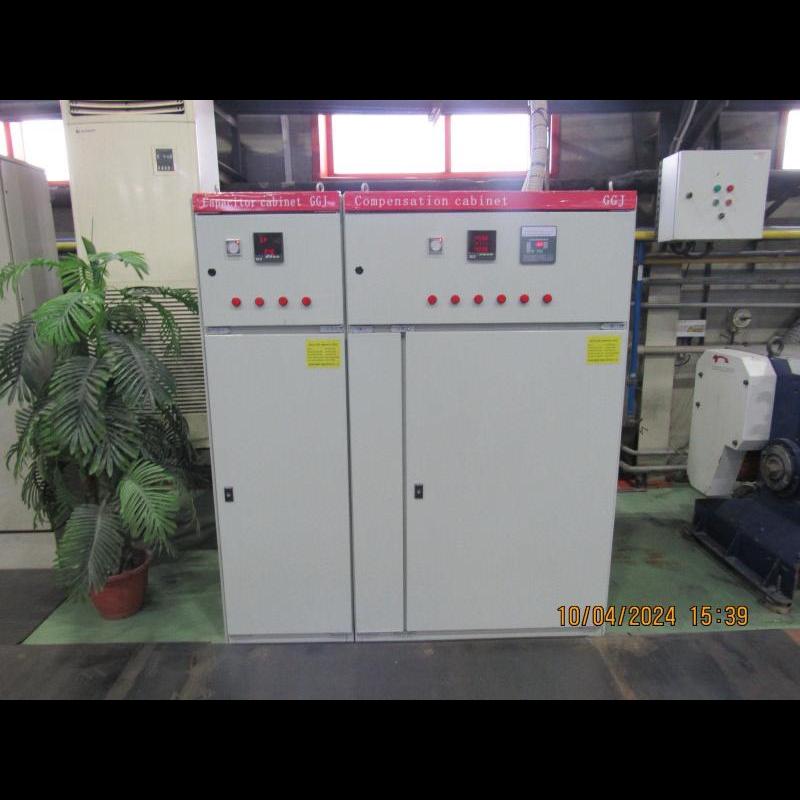
Furthermore, technological integration provides the means of monitoring the repairing of equipment and performance to the managers. For example, power substation the health of supply chain devices like transformers or mechanism breaker can be monitored by individuals. Meanwhile, when the tool breaks down, they can respond swiftly to correct the situation. In other words, preparing it earlier can contribute a lot in preventing futile blackout, and more people are online rather than in the dark.
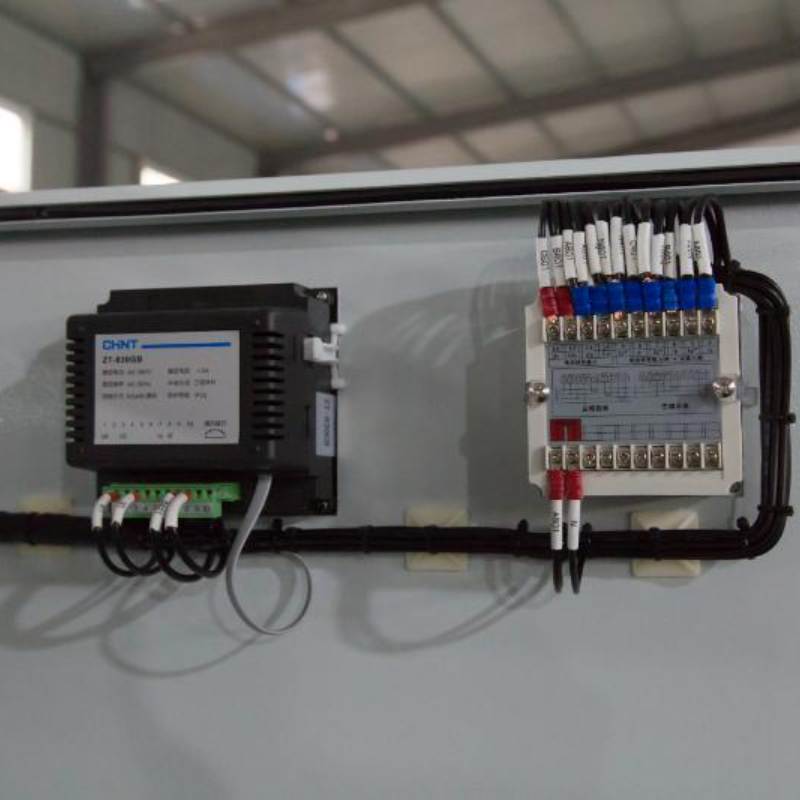
In New Substation Planning and Design managers uses 11 33 kv substation : whenever to construct a new facility firstly analyze the geographical data are there for us to identify that where these new substation is to build. Well, the choosing of a venue also plays a significant role due to how most accessible it is in any community. In this regard, managers will process them with a more comprehensive view of the locations for the construction of new substations tailored to specific entities using their GIS tools.
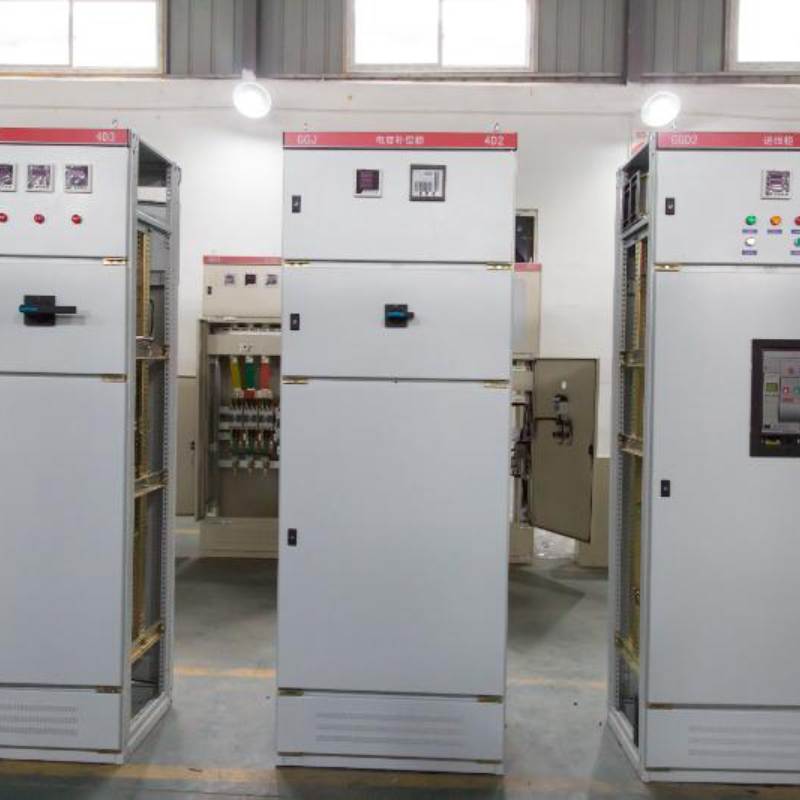
In conclusion, switchgear helps managers to prevent disruptions in the power grid. Equipment monitoring allows substation managers to keep a close eye on their assets, and catch warning signs of failure before they snowball into catastrophic failures that result in outages. Among other monitoring systems, they can pull real-time alerts whenever anything goes down or just stops working all together through GIS. Thus, the teams need to have this quick action implementation in order to prevent other major problems that result in loss of power.
Zhejiang Shangdian Complete Electrical Co., Ltd. It combines strong technical capabilities advanced process equipment and an extensive after-sales process to provide high-quality tailored electrical solutions We adhere to our core tenet of "integrity-based" practices prioritizing technology customer satisfaction superior quality and exceptional service fostering long-term client relationships Dedicated to sustainable development we aim to balance industrial growth with environmental responsibility minimizing our ecological footprint while enhancing efficiency and innovation Our vision is to become a world-renowned brand in the industrial electrical field through internationalization technological advancement and industrialization Through strategic partnerships and investing in rd that will Gis in substation increase our global reach and accelerate industry progress ensuring our technological advances are aligned with the requirements of society and market
Zhejiang Shangdian Complete Electrical Co., Ltd. employs more than 100 employees which includes 10 engineers who are experts in the development of high- and low-voltage switchgear Our staff who hold higher-level titles from Gis in substation to senior maintains high standards in terms of high-quality and innovation With a youthful and professional workforce we are able to achieve our goals by bringing new ideas and a determination to achieve quality Modern production lines incorporate the latest technologies to increase efficiency High-tech testing equipment ensures that each product is held to strict standards of excellence We're committed towards continuous development and cultivating an environment of professionalism and expertise
Established in 2004 Zhejiang Shangdian Complete Electrical Co., Ltd. has established itself as a prominent company in the electrical solutions industry Nestled in the scenic coastal region of southern Zhejiang the company overlooks the lively city of Wenzhou across the river which provides stunning scenery to its operations Strategically located close to National Highway 104 the Yongtaiwen Expressway and other important highways this spot ensures efficient transportation of both personnel as well as products In addition the proximity to Wenzhou Airport and the train station allows for easy connections to major cities enhancing our ability to serve clients both domestically and internationally The location of our company will not only help us to achieve efficiency in operations but it also shows the dedication we place on excellence and innovation in the electrical industry This helps us meet the diverse customer needs with the utmost precision and reliability We're determined to use our location as a tool to offer superior solutions and services to the Gis in substation
Zhejiang Shangdian Complete Electrical Co., Ltd. specializes in producing a wide range of electrical equipment, including switches of low and high voltage and substations as well as circuit breakers transformers, as well as other. We are a multi-faceted enterprise that integrates manufacturing, research and dissemination of information as well as service. Our "CCC" approved high and low voltage equipment is a testament to our dedication to quality and safety. In addition, we have received several type test reports on our high-voltage products which demonstrate our commitment to reliability and performance. With an insistence on innovation and continual advancement, we employ the most advanced techniques in our Gis in substation. This allows us to accommodate the different demands of our customers, and maintain high standards of the quality of our products and services. Zhejiang Shangdian, through its expansion, is aiming to be an innovator in electrical equipment based on our knowledge and commitment to quality.

 EN
EN
 AR
AR
 BG
BG
 HR
HR
 CS
CS
 DA
DA
 NL
NL
 FI
FI
 FR
FR
 DE
DE
 EL
EL
 HI
HI
 IT
IT
 JA
JA
 KO
KO
 NO
NO
 PL
PL
 PT
PT
 RU
RU
 ES
ES
 TL
TL
 IW
IW
 ID
ID
 SR
SR
 UK
UK
 VI
VI
 HU
HU
 TH
TH
 TR
TR
 AF
AF
 MS
MS
 IS
IS
 AZ
AZ
 BN
BN
 LA
LA
 MI
MI
 MN
MN
 KK
KK
 UZ
UZ